


Certificate In Pharmacology
Published 1/2025
MP4 | Video: h264, 1920×1080 | Audio: AAC, 44.1 KHz
Master Pharmacology: Drug Actions, Classifications, Interactions & Patient Safety for Optimal Healthcare Outcomes
What you’ll learn
Understand the principles of pharmacokinetics (absorption, distribution, metabolism, and excretion) and pharmacodynamics (drug-receptor interactions).
Classify drugs and understand their indications, contraindications, and side effects.
Master safe medication administration and dosage calculations.
Explore drug interactions and their impact on patient outcomes.
5. Learn to educate patients about medications and ensure adherence to prescribed regimens.
Requirements
Basic understanding of human biology or healthcare-related field (e.g., nursing, pharmacy, or medicine) is recommended.
Basic understanding of medical terminology. Ability to read and interpret drug prescriptions and medical orders.
Familiarity with patient care environments (e.g., hospital, clinic, or pharmacy).
Access to a computer or mobile device with an internet connection.
Access to a calculator for dosage calculations (where applicable).
Anyone with an interest in learning pharmacology, including healthcare professionals and students, is encouraged to enroll.
This course is suitable for beginners with no prior experience in pharmacology.
No prior knowledge of advanced pharmacology is needed, as the course begins with foundational concepts.
A willingness to engage with interactive case studies and scenarios.
This course is designed to cater to both beginners and experienced healthcare professionals seeking to enhance their pharmacology knowledge.
Description
Overview
Section 1: Introduction to Pharmacology
Lecture 1 Why study pharmacology
Lecture 2 Course Goals and benefits
Lecture 3 Learning objectives, course structure & real world applications
Lecture 4 Skills to be gained from the course.
Lecture 5 Case study
Section 2: Pharmacokinetics and Pharmacodynamics
Lecture 6 Drug absorption and bioavailability.
Section 3: Drug Classifications and Uses
Lecture 7 Antimicrobials, analgesics, cardiovascular drugs, respiratory medications
Lecture 8 Case study: Managing Pain in a Postoperative Patient Using Multimodal Analgesia
Lecture 9 Case Study: Adjusting Antihypertensive Therapy for a Patient with Chronic Kidney
Lecture 10 Case Study: Treating an Asthma Exacerbation in a Pediatric Patient
Section 4: Medication Safety and Administration
Lecture 11 Dosage calculations and error prevention
Lecture 12 Routes of drug administration and techniques.
Lecture 13 Case study: Pediatric Dose Calculation
Lecture 14 Case Study: Delivering an albuterol nebulizer treatment for an asthma
Section 5: Drug Interactions and Side Effects
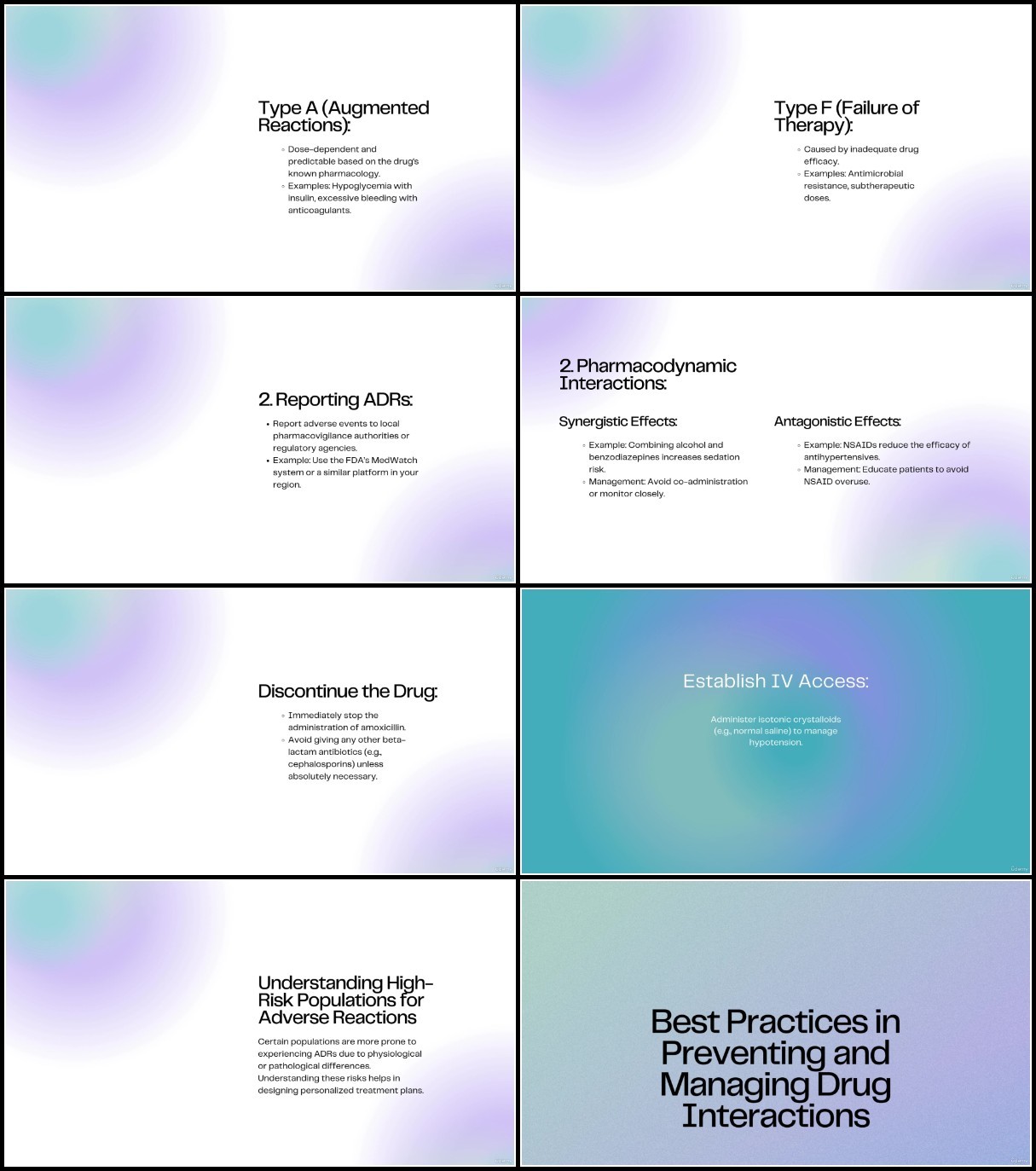
Lecture 15 Identifying and managing adverse reactions & Drug-food and drug-drug interact
Lecture 16 Case Study: Avoiding a Drug Interaction
RapidGator
https://filecrypt.cc/Container/72960387E9.html
https://www.keeplinks.org/p27/67938986a0b5f
https://rapidgator.net/file/c6e49c3d4bb8b3528abf0d85a2ba8a8b/Certificate.in.Pharmacology.rar
AlfaFile
https://filecrypt.cc/Container/C937D95AE7.html
https://www.keeplinks.org/p27/679389956ad1f
https://alfafile.net/file/ASzeg/Certificate.in.Pharmacology.rar
TurboBit
https://filecrypt.cc/Container/788A54B012.html
https://www.keeplinks.org/p27/679389cc7d990
https://turbobit.net/nqyk9tl4w3mw/Certificate.in.Pharmacology.rar.html