

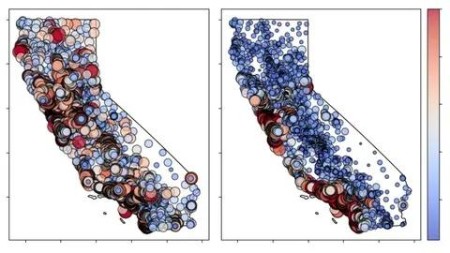
Data Preprocessing For Machine Learning And Data Analysis
Published 3/2025
MP4 | Video: h264, 1920×1080 | Audio: AAC, 44.1 KHz
A Comprehensive Guide for AI & Machine Learning Developers and Data Scientists
What you’ll learn
Understand the importance of high-quality data in AI & machine learning.
Apply data cleaning techniques to handle missing and poor-quality data.
Perform feature selection, scaling, and transformation for better model performance.
Work with categorical, numerical, text-based, and image features effectively.
Identify correlations and use visualization techniques to gain insights.
Implement Principal Component Analysis (PCA) for dimensionality reduction.
Properly split datasets for training, testing, and cross-validation.
Build automated data preprocessing pipelines using custom transformers.
Visualize data using weighted scatter plots and shapefiles.
Understand and process image and geographic datasets for AI & machine learning applications.
Gain experience with traditional structured datasets, image datasets, and geographic datasets, providing a broader perspective on data used in AI & ML projects.
Enhance your resume with in-demand data science skills, including statistical analysis, Python with NumPy, pandas, Matplotlib and advanced statistical analysis.
Learn and apply useful data preprocessing techniques using Scikit-learn, pandas, NumPy, and Matplotlib.
Requirements
There are no special requirements for this course. If you have beginner to intermediate-level Python experience, that is enough to follow along and understand the concepts. This course follows a classic classroom-style approach, where we first cover the theoretical foundations before moving on to hands-on coding sessions. This structured format makes the course easy to understand for learners at all levels.
Description
Overview
Section 1: Course Overview, Introduction and Handling Poor-Quality Data
Lecture 1 Course Overview
Lecture 2 Introduction to Data Preprocessing for Machine Learning and Data Analysis
Lecture 3 Ensuring Sufficient Quantity of Training Data
Lecture 4 Addressing Non-representative Training Data
Section 2: Feature Selection and Engineering
Lecture 9 Data Cleaning
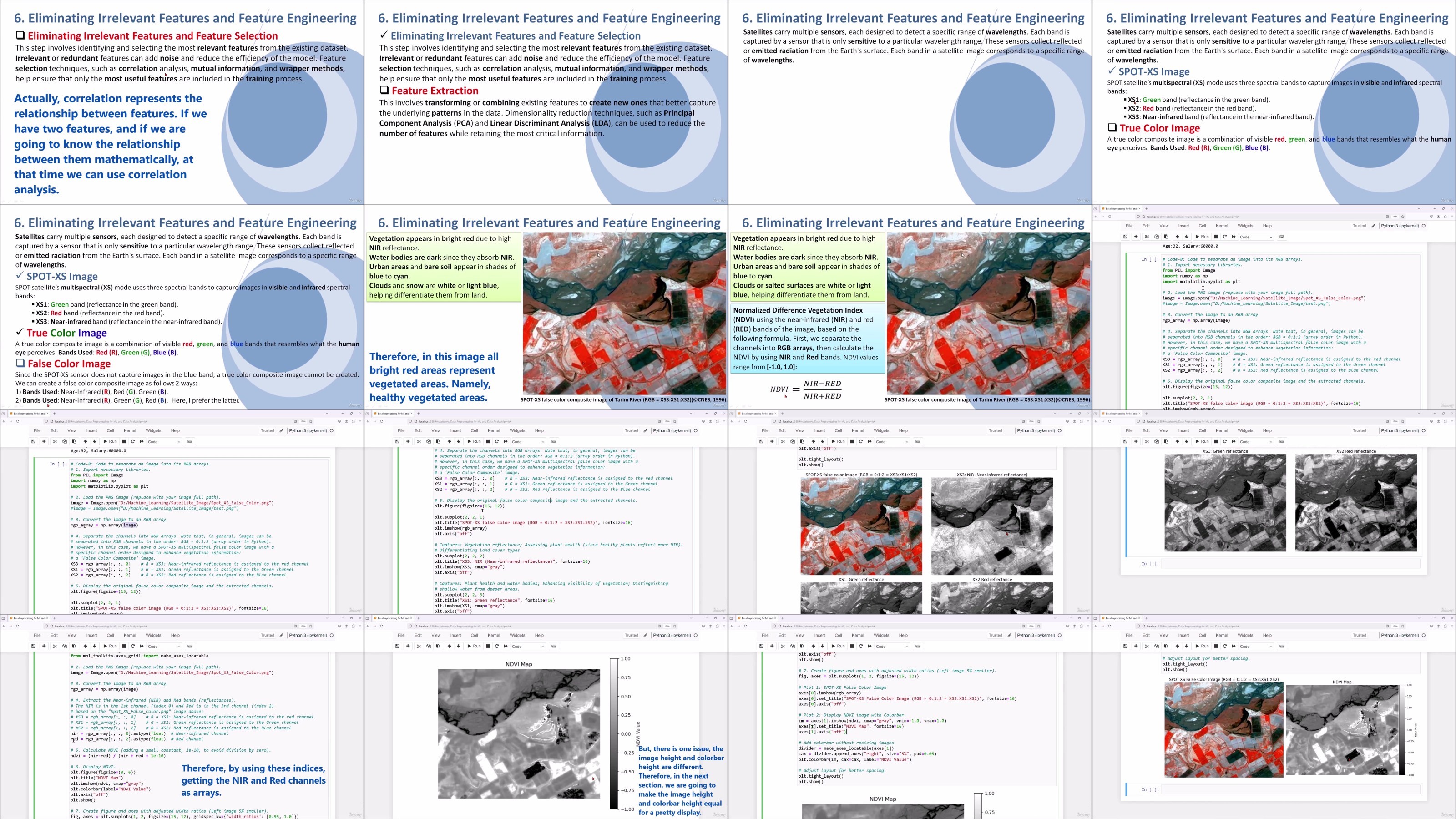
Lecture 10 Eliminating Irrelevant Features and Feature Engineering
Lecture 16 Feature Enhancement
Lecture 20 Creating Feature Combinations
Section 3: Data Exploration and Dimensionality Reduction
Lecture 21 Identifying Correlations
Lecture 22 Visualizing the Data to Gain Insights
Section 4: Model Readiness and Automation
Lecture 26 Training and Test Data Splitting
Lecture 27 Building Data Pipelines
Lecture 28 Creating Custom Transformers
Aspiring AI & Machine Learning Developers who want to master data preprocessing.,Data Scientists & Analysts looking to improve model accuracy and efficiency.,AI & ML Engineers working with real-world datasets, including geographic and image data.,Students & Researchers interested in learning advanced data preparation techniques.
RapidGator
https://www.keeplinks.org/p27/68cb1b8b883d5
NitroFlare
https://www.keeplinks.org/p27/68cb1ca2234c7
DDownload
https://www.keeplinks.org/p27/68cb1dc8a682b