

Giac Security Leadership Certification (Gslc)
Published 5/2025
MP4 | Video: h264, 1920×1080 | Audio: AAC, 44.1 KHz
Certification-Ready Training Aligned with SANS LDR512 for Aspiring Security Leaders
What you’ll learn
Security Program Foundations
Security Policy and Organizational Structure
Network and Host Security Architecture
Cloud Security and Identity Management
Cryptography and Privacy Engineering
Application Security and DevSecOps
Securing AI and Emerging Technologies
Security Program Management
Vendor Management and Team Leadership
Security Monitoring and SOC Operations
Incident Response and Continuity Planning
Requirements
Basic Understanding of IT and Security Concepts
Some Exposure to Security or IT Management Tasks
Interest in Strategic Thinking and Leadership
Optional: Familiarity with Common Frameworks
Description
Overview
Section 1: Introduction
Lecture 1 About Course
Lecture 2 Meet Course Designer and Training Architect
Lecture 3 Why GIAC Certifications?
Lecture 4 Do you need SANS or GIAC-affiliated training?
Lecture 5 Pre-requisite for this course
Section 2: Security Program Foundations
Lecture 6 Role of a Modern Security Leader
Lecture 7 Cybersecurity Frameworks: Control, Program, and Risk Models
Lecture 8 The NIST Risk Management Framework
Lecture 9 Understanding ISO Standards
Lecture 10 Case Scenario: Choosing the Right Framework
Lecture 11 Risk Fundamentals and Calibration for Managers
Lecture 12 Case Scenario: One Risk, Many Perspectives
Lecture 13 Practical Risk Assessment and Risk Management Techniques
Lecture 14 Case Scenario: Too Many Risks, Too Little Time
Section 3: Security Policy and Organizational Structure
Lecture 15 Developing Effective and Actionable Security Policies
Lecture 16 Common Security Policies in Organizations
Lecture 17 Planning and Managing the Policy Lifecycle
Lecture 18 Understanding Policy Documents in Cybersecurity Program
Lecture 19 Structuring a Security Program: Governance and Reporting Lines
Lecture 20 Understanding the Three Lines of Defense
Lecture 21 Roles, Responsibilities, and Security Functions
Lecture 22 Common Roles in the Enterprise
Lecture 23 Case Scenarios
Section 4: Network and Host Security Architecture
Lecture 24 Security Architecture Principles, Models, Trends and Frameworks
Lecture 25 Cyber Defense Matrix: Mapping Controls to Function
Lecture 26 Case Scenario: Mid-Size Healthcare Provider (MedSecure Health)
Lecture 27 Layered Network Security (Layer 1 to Application Layer)
Lecture 28 Network Security: Layer 1 and 2: Overview and attacks
Lecture 29 Network Security: Layer 3: VPNs and IPSec
Lecture 30 Essentials of IPSec
Lecture 31 Network Security: Layer 4: TCP and UDP
Lecture 32 Understanding the TCP/IP Model: Layers, Functions, and Best Practices
Lecture 33 Network Security: Application Layer: Proxies, NGFW, IDS/IPS, NSM
Lecture 34 Host security: Malware and Attack Examples
Lecture 35 Host Security Controls: EPP, EDR, HIDS/HIPS, FIM, Allowlisting, Sandboxing
Section 5: Cloud Security and Identity Management
Lecture 36 Cloud Security Fundamentals
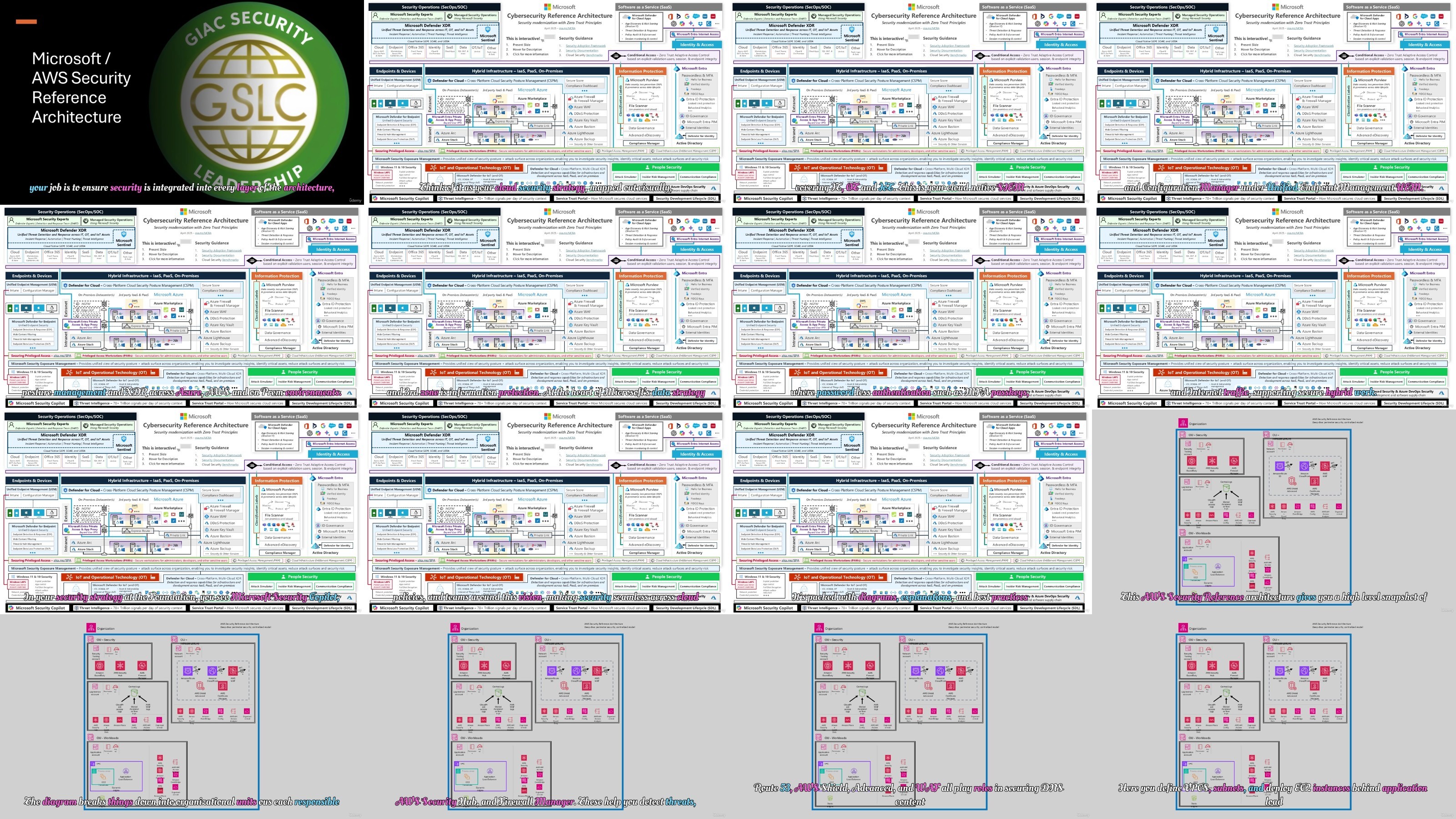
Lecture 37 Microsoft/AWS Security Reference Architecture
Lecture 38 Cloud Security Attack Examples and Controls
Lecture 39 Cloud Security Tools: CSPM, CWPP, CASB
Lecture 40 Cloud Security Models: CSA, CAF, Well-Architected Framework
Lecture 41 IAM Overview: Authentication Factors & Access Risks, IAM Security Capabilities
Lecture 43 Additional Materials
Section 6: Cryptography and Privacy Engineering
Lecture 44 Introduction to Security Engineering
Lecture 45 Cryptography Essentials: CIA, Non-repudiation, Hashing, Digital Signatures
Lecture 46 Hashing: Tools and Practices for Students
Lecture 47 Symmetric vs. Asymmetric Encryption and Key Exchange
Lecture 48 Applied Encryption: TLS, PKI, Blockchain, Quantum
Lecture 49 Privacy vs. Security: Concepts and Legal Foundations
Lecture 50 Privacy Engineering and Compliance Controls
Lecture 51 Wi-Fi Security Protocols, Policies, and Tools to Monitor and Defend
Section 7: Application Security and DevSecOps
Lecture 52 Secure Application Development: SDLC and Threats
Lecture 53 Application Attacks: OWASP Top 10
Lecture 54 Application Security: Application Security Testing Tools
Lecture 55 DevSecOps, Toolchains and CI/CD Pipeline
Lecture 56 Infrastructure as Code (IaC)
Lecture 57 Container Security
Section 8: Securing AI and Emerging Technologies
Lecture 58 Introduction to GenAI and Transformer Architectures
Lecture 59 Security Risks in LLMs: OWASP Top 10 for LLMs, MITRE ATLAS, Key Threats
Lecture 60 MITRE ATLAS
Lecture 61 GenAI Risk Mitigations and NIST AI RMF Controls
Lecture 62 NIST AI Risk Management Framework
Lecture 63 Building Secure AI Policies
Lecture 64 AI Security Tools and Mitigations
Section 9: Security Program Management
Lecture 65 Security Leadership in Action: Traits and Mindsets
Lecture 66 Vulnerability Management Lifecycle and PIACT Process
Lecture 67 Prioritizing Vulnerabilities with CVSS and Context
Lecture 68 Finding, Fixing and Communicating Vulnerabilities
Lecture 69 Security Awareness Program: Maturity Model
Section 10: Vendor Management and Team Leadership
Lecture 70 Human Risk Factors and Cultural Transformation
Lecture 71 Security Negotiation Strategies for Influence
Lecture 72 Vendor and Product Analysis Using AHP
Lecture 73 Case Scenario: Selecting the Best EDR Solution using AHP
Lecture 74 Project Management for Security Initiatives
Lecture 75 Project Management Knowledge Areas (PMBOK Guide 6th Edition)
Lecture 76 Leading High-Performance Security Teams
Section 11: Security Monitoring and SOC Operations
Lecture 77 Logging, Monitoring, and Visibility Fundamentals
Lecture 78 SIEM Deployment and Optimization Best Practices
Lecture 79 Security Operations Center Models and Functions
Lecture 80 Tiered vs. Tierless SOC Structures
Section 12: Incident Response and Continuity Planning
Lecture 81 Incident Response Lifecycle Using PICERL
Lecture 82 Business Continuity Planning (BCP) Fundamentals
Lecture 83 General Notes on Using BCP Template
Lecture 84 Disaster Recovery (DR) Strategies and Testing
Lecture 85 How to Use Disaster Recovery Plan (DRP) Template
Lecture 86 What is a Contingency Plan?
Lecture 87 Physical Security Controls and Risk Examples
Section 13: Additional Resources for Reading
Lecture 88 Types of Controls in Cybersecurity
Lecture 89 Access Controls: Your First Line of Defense in Cybersecurity
Lecture 90 Understanding RAID: Redundant Array of Independent Disks
Lecture 91 Common Techniques for Making Informed Project Decisions
Lecture 92 What is Steganography and its usage?
Lecture 93 Understanding the MITRE ATT&CK Framework: Phases, Tactics, and Techniques
Section 14: Course Conclusion
Lecture 94 Key Takeaway for You as a Security Leader
Lecture 95 Continued learning resources
Lecture 96 Certification Guidance and Format
Lecture 97 Course Feedback and closing remarks
Section 15: Practice Tests
Security managers, engineers, or IT professionals moving into leadership roles,CISOs, team leads, and architects needing to align with security frameworks,Professionals preparing for the GSLC certification exam,Leaders seeking a deeper understanding of policy, risk, and operational strategy,Anyone wanting to build a business-aligned, threat-ready security program
DDownload
https://www.keeplinks.org/p27/6841e1e2b0bef
RapidGator
https://www.keeplinks.org/p27/6841e26837cd3
NitroFlare