

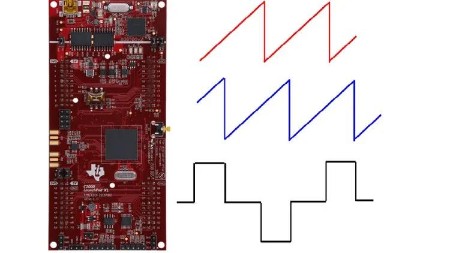
TI TMS320F28379D Microcontroller for Power Electronics
Published 6/2025
Duration: 26h 38m | .MP4 1920×1080 30 fps(r) | AAC, 44100 Hz, 2ch | 16.99 GB
Using the dual CPU LAUNCHXL-F28379D for PWMs, ADCs and timers
What you’ll learn
– Architecture of TMS320F28379D microcontroller and peripherals
– Setting up Code Compose Studio and C2000Ware
– Importing example projects and understanding code
– Creating new dual CPU projects and configuring header files
– Configuring and using GPIO pins
– Interrupt handling and the Peripheral Interrupt Expansion (PIE) module
– Understanding system clock configuration and using timers with interrupts
– Configuring and using ePWM modules
– Configuring and using ADC modules
– Communication between CPUs using the IPC module
Requirements
– LAUNCHXL-F28379D experimenter kit, C programming, basic electronic components
Description
The course will describe how to use the TMS320F28379D microcontroller from Texas Instruments for power electronics applications. The course is targeted towards beginners who are new to microcontroller programming and therefore, is ideal for electrical engineering undergraduates and graduate students who will be seeking their first job in the power industry. The course describes how a student can setup a basic home lab for the course, as this course is a hardware course and needs basic electronic equipment for hands-on experience. The course covers both theory and programming. The emphasis of the course is on creating projects and on programming the microcontroller. However, to make the material complete, the course deals with microcontroller architecture and describes the working of the processor and the peripherals.
Since the TMS320F28379D microcontroller is a dual processor device, the projects in this course will describe how both processors can be programmed simultaneously, and how the peripherals available in the device can be shared between the processors. The course will also describe how the processors can share data using the inter processor communication module, thereby enabling coordinated control in addition to independent control.
To be able to complete all examples in this course, the student will need to setup a home electronics lab which will cost around USD 150. Details of the components required are described in the introduction and all videos in the introduction are preview enabled.
Who this course is for:
– Electrical and electronics engineering students
– Power electronics researchers
– Embedded system enthusiasts
– Test engineers
More Info
Please check out others courses in your favourite language and bookmark them
– – – –

RapidGator
https://www.keeplinks.org/p27/6930087a80e60
NitroFlare
https://www.keeplinks.org/p27/69300f67c5b07
DDownload
https://www.keeplinks.org/p27/69301334e89bd