

TTC Video – How We Learn (2017)
MP3 | 160 kbps | 44.1 KHz | 2 channels | 11:39:05 | 5.1 GB Genre: eLearning Video / Human Mind, Self Improvement, Neuroscience
But few of us know how we learn, which is the key to learning and studying more effectively. For example, you may be surprised by the following:
People tend to misjudge what they have learned well, what they don’t yet know, and what they do and do not need to practice.
Humans and animals explore their worlds for the sake of learning, regardless of rewards and punishment connected with success.
You can teach an old dog new tricks. In fact, older learners have the benefit of prior knowledge and critical skills-two advantages in learning.
Shedding light on what’s going on when we learn and dispelling common myths about the subject, How We Learn introduces you to this practical and accessible science in 24 half-hour lectures presented by Professor Monisha Pasupathi of the University of Utah, an award-winning psychology teacher and expert on how people of all ages learn.
A Course about You
Scripts: We have trouble recalling specific events until we have first learned scripts for those events. Young children are prodigious learners of scripts, but so are first-time parents, college freshmen, foreign travelers, and new employees.
Storytelling: Telling stories is fundamentally an act of learning about ourselves. The way we recount experiences, usually shortly after the event, has lasting effects on the way we remember those experiences and what we learn from them.
Sleeper effect: Have you ever heard something from an unreliable source and later found yourself believing it? Over time, we tend to remember information but forget the source. Paradoxically, this effect is stronger when the source is less credible.
Dr. Pasupathi’s many examples cover the modern history of research on learning-from behaviorist theory in the early 20th century to the most recent debates about whether IQ can be separated from achievement, or whether a spectrum of different learning styles and multiple intelligences really exist.
What You Will Learn
Professor Pasupathi then covers mistaken theories of learning, such as that lab animals and humans learn in the same way or that the brain is a tabula rasa, a blank slate that can absorb information without preparation. Babies might seem to be a counterexample, showing that you can learn from scratch. However, you examine what newborns must know at birth in order for them to learn so much, so quickly.
Next you explore in depth how humans master different tasks, from learning a native language or a second language, to becoming adept at a sport or a musical instrument, to learning a new city or a problem-solving strategy, to grasping the distinctive style of thinking required in mathematics and science. Then you look inside the learning process itself, where many factors come into play, including what is being learned and the context, along with the emotions, motivations, and goals of the learner. You close by considering individual differences. Some people seem to learn without effort. How do they do it?
Tips on Learning
Along the way, Professor Pasupathi offers frequent advice on how to excel in many different learning situations:
Mastering material: Testing yourself is a very effective strategy for mastering difficult material. Try taking a blank sheet of paper and writing down everything you can recall about the subject. Then go back and review the material. Next, try another blank sheet of paper.
Second-language learning: Becoming fluent in a second language in adulthood is difficult because your brain is tuned to your native language and misses important clues in the new language. To overcome this obstacle, immerse yourself among native speakers of the new language.
Motivating a child: When trying to motivate a schoolchild to learn, avoid controlling language, create opportunities to give the child a sense of choice, and be careful about excessive praise and other forms of rewards, which can actually undermine learning.
Maintaining a learning edge: Middle-aged and older adults can preserve their learning aptitude by exercising to maintain cardiovascular health, staying mentally active, and periodically trying a new challenge, such as learning to draw or studying new dance steps.
Adventures in Learning
By the time How We Learn ends, you will appreciate the incredible breadth of what we learn in our lifetimes, understand the commonality and diversity of human learning experiences, and come away with strategies for enhancing your own adventures in learning.
"Learning is a human birthright," says Professor Pasupathi. "Everything about us is built for lifelong learning-from our unusually long childhood and our large prefrontal cortex to our interest in novelty and challenge." And she finds reason for optimism about the future of humanity due to our almost miraculous capacity to learn.
Lectures:
General
Complete name : 19 Cultivating a Desire to Learn.avi
Format : AVI
Format/Info : Audio Video Interleave
File size : 219 MiB
Duration : 28 min 48 s
Overall bit rate : 1 062 kb/s
Writing library : MPlayer
Video
ID : 0
Format : MPEG-4 Visual
Format profile : Simple@L1
Format settings, BVOP : No
Format settings, QPel : No
Format settings, GMC : No warppoints
Format settings, Matrix : Default (H.263)
Codec ID : DX50
Codec ID/Hint : DivX 5
Duration : 28 min 48 s
Bit rate : 889 kb/s
Width : 640 pixels
Height : 480 pixels
Display aspect ratio : 4:3
Frame rate : 30.000 FPS
Color space : YUV
Chroma subsampling : 4:2:0
Bit depth : 8 bits
Scan type : Interlaced
Scan order : Top Field First
Compression mode : Lossy
Bits/(PixelFrame) : 0.096
Stream size : 183 MiB (84%)
Writing library : Lavc51.44.0
Audio
ID : 1
Format : MPEG Audio
Format version : Version 1
Format profile : Layer 3
Mode : Joint stereo
Mode extension : MS Stereo
Codec ID : 55
Codec ID/Hint : MP3
Duration : 28 min 46 s
Bit rate mode : Constant
Bit rate : 160 kb/s
Channel(s) : 2 channels
Sampling rate : 44.1 kHz
Compression mode : Lossy
Stream size : 32.9 MiB (15%)
Alignment : Aligned on interleaves
Interleave, duration : 26 ms (0.78 video frame)
Interleave, preload duration : 809 ms
Writing library : LAME3.97
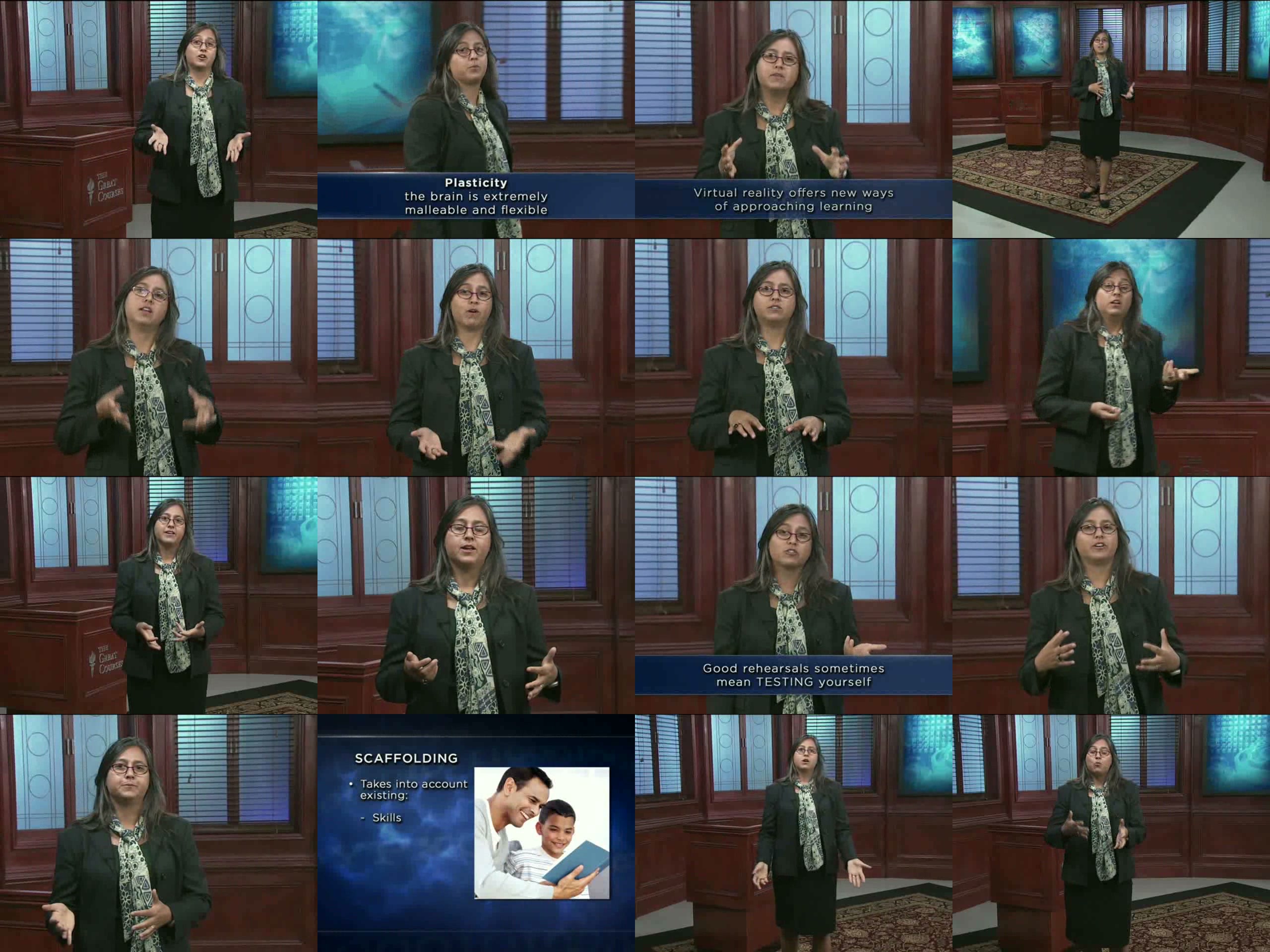
ScreenShots
Exclusive eLearning Videos ← add to bookmarks
Feel free to contact me
when links are dead or want any repost

RapidGator
https://www.keeplinks.org/p27/6a660ad96b18b
NitroFlare
https://www.keeplinks.org/p27/6a660c502624b
UsersDrive