


Ultimate Guide To Fastapi And Backend Development
Published 5/2025
MP4 | Video: h264, 1920×1080 | Audio: AAC, 44.1 KHz
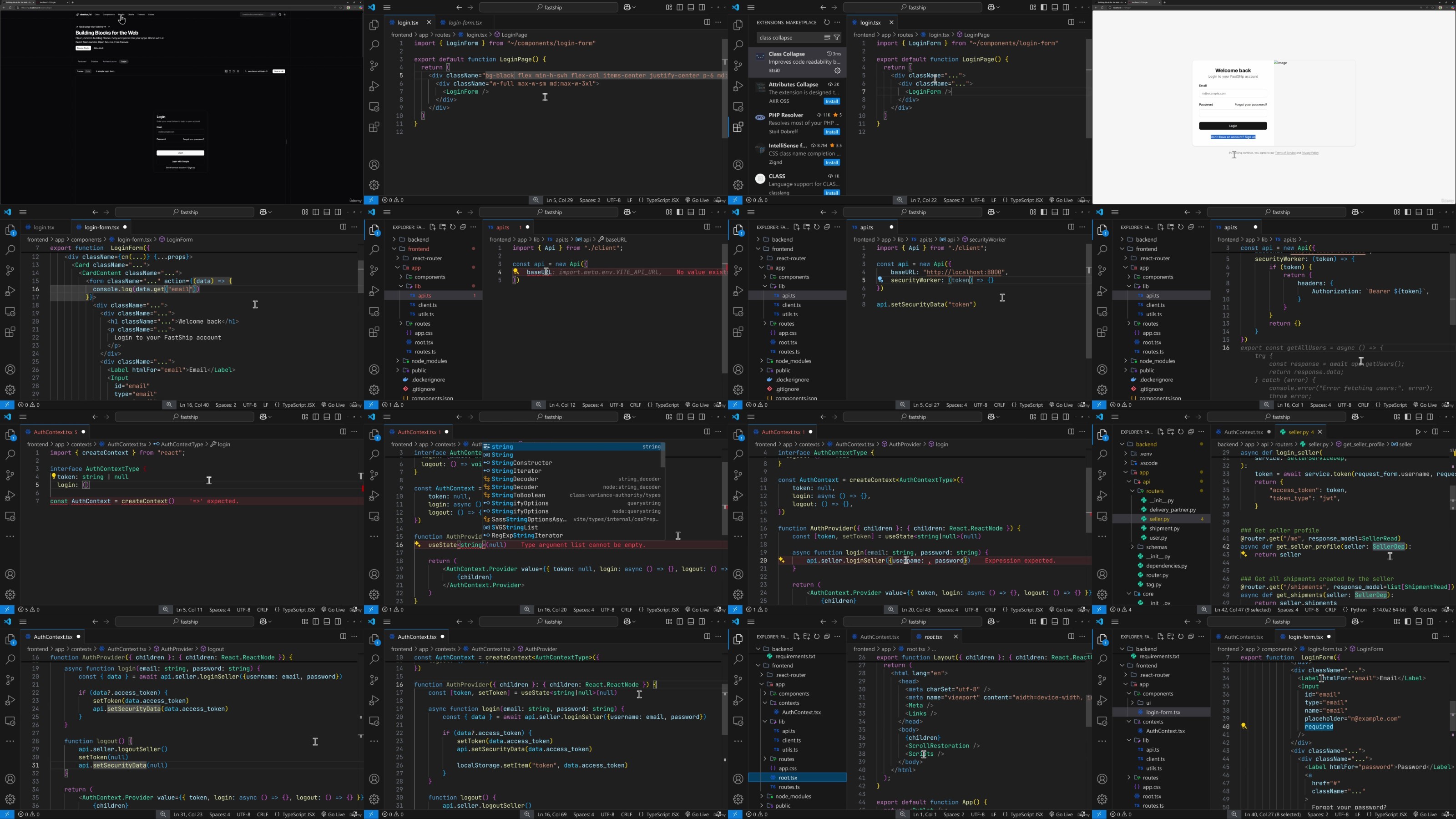
Build REST APIs For The Modern Web. Learn FastAPI, SQL Database, OAuth2, Pytest, React and Docker
What you’ll learn
Build a complete RESTful API for a delivery management system, adhering to best practices
Define Pydantic models for request and response data validation, ensuring type safety
Connect a FastAPI application to a SQL database (SQLite, PostgreSQL) and integrate with endpoints using dependency injection
Operate on SQL database with SQLModel and define One-to-Many and Many-to-Many SQL Relationships
Manage database schema changes with alembic migrations, upgrade, downgrade and auto-generate revisions
Implement secure authentication using OAuth2 Scheme in a FastAPI application, including email validation, login/logouts and password resets
Send Email and SMS notifications from a FastAPI application triggered by shipment events
Integrate Celery with a FastAPI application to offload time-consuming tasks to a background worker from an API Endpoint
Package a FastAPI Application with Docker and related services using Docker Compose
Deploy a FastAPI Application along with other services
Requirements
Python
HTML/JS (Optional)
Description
Overview
Section 1: Introduction
Lecture 1 Curriculum Overview
Lecture 2 What are REST APIs?
Lecture 3 What is FastAPI?
Lecture 4 Why choose FastAPI?
Lecture 5 Installation & Setup
Lecture 6 Installation (MacOS)
Lecture 7 API Endpoint
Lecture 8 API Documentation
Section 3: Path Parameter
Lecture 9 Type Hinting
Lecture 10 Function Decorator
Lecture 11 Path Parameter
Lecture 12 Route Ordering
Lecture 13 Simple Database
Section 4: Query Parameter
Lecture 14 Introduction
Lecture 15 HTTP Exception
Lecture 16 POST Method
Lecture 17 Request Body
Lecture 18 Path & Query Parameters
Section 5: CRUD Operations
Lecture 19 PUT Method
Lecture 20 PATCH Method
Lecture 21 DELETE Method
Section 6: Pydantic Model
Lecture 22 Why use Pydantic?
Lecture 23 Model Fields
Lecture 24 Python Enum
Lecture 25 Response Model
Lecture 26 Different Models
Lecture 27 Tips & Tricks
Section 7: SQL Database
Lecture 28 JSON
Lecture 29 What is SQL?
Lecture 30 SQLite Database
Lecture 31 Insert Row
Lecture 32 Fetch Row
Lecture 33 Primary Key
Lecture 34 Update Row
Lecture 35 SQL Query Parameters
Lecture 36 Database
Lecture 37 API Usage
Section 8: SQLModel
Lecture 38 Overview
Lecture 39 Context Manager
Lecture 40 sqlmodel
Lecture 41 Database Engine
Lecture 42 Server Lifespan
Lecture 43 Dependency Injection
Lecture 44 Annotated Type
Lecture 45 Session Dependency
Lecture 46 Database Model vs API Schema
Section 9: AsyncIO
Lecture 47 Synchronous Programming
Lecture 48 Async & Await
Lecture 49 Task
Lecture 50 Task Group
Section 10: PostgreSQL
Lecture 51 Overview
Lecture 52 Installation
Lecture 54 Async Session
Lecture 55 API Router
Lecture 56 Service Layer
Lecture 57 Dependency Chaining
Lecture 58 General Tips
Section 11: Register User
Lecture 59 Overview
Lecture 60 Seller Model
Lecture 61 Signup Endpoint
Lecture 62 Password Hash
Lecture 63 Seller Service
Section 12: Login User
Lecture 64 OAuth2 Overview
Lecture 65 Password Request Form
Lecture 66 Verify Password
Lecture 67 JWT
Lecture 68 Password Flow
Lecture 69 OAuth2 Scheme
Lecture 70 Decode JWT
Lecture 71 Identify User
Lecture 72 User Dependency
Lecture 73 Token Expiry
Lecture 74 API Client Authentication
Lecture 75 HTTP Bearer
Section 13: Logout User
Lecture 76 Overview
Lecture 77 Identify JWT
Lecture 78 Redis
Lecture 79 Token Blacklist
Section 14: SQL Relations
Lecture 80 Overview
Lecture 81 Foreign Keys
Lecture 82 UUID
Lecture 83 Relate User
Lecture 84 Debugging
Section 15: Alembic – Database Migrations
Lecture 85 Setup
Lecture 86 Revision Script
Lecture 87 Autogenerate Revision
Lecture 88 Overview
Lecture 89 Database Model
Lecture 91 Base Service
Lecture 92 User Service
Lecture 93 Debugging
Section 17: Shipment Event
Lecture 94 Overview
Lecture 95 Event Model
Lecture 96 Service Layer
Lecture 97 Event Timeline
Lecture 98 Debugging Endpoints
Lecture 99 Cancel Shipment
Section 18: Send Mail
Lecture 100 Mail Client Setup
Lecture 101 Event Updates
Lecture 102 Background Tasks
Lecture 103 Mail Template
Section 19: Custom Response
Lecture 104 HTML Response
Lecture 105 Template Response
Lecture 106 Response Class
Section 20: Email Confirmation
Lecture 107 Overview
Lecture 108 URL Safe Token
Lecture 109 Registration Email
Lecture 110 Verify Endpoint
Section 21: Password Reset
Lecture 111 Overview
Lecture 112 Reset Endpoint
Lecture 113 Password Reset Form
Section 22: SMS
Lecture 114 Overview
Lecture 115 Twilio Setup
Lecture 116 Send SMS
Lecture 117 Verification Code
Section 23: Review
Lecture 118 Overview
Lecture 119 Review Model
Lecture 120 Endpoints
Lecture 121 Review Link
Lecture 122 HTML Form
Section 24: Celery
Lecture 123 Overview
Lecture 124 Background Worker
Lecture 125 Task Function
Lecture 126 Flower Monitoring
Section 25: Many to Many
Lecture 127 Overview
Lecture 128 Link Model
Lecture 129 Shipment Tags
Lecture 130 Tagged Shipments
Lecture 131 Extra Fields
Section 26: Error Handling
Lecture 132 Exception
Lecture 133 Add Handlers
Lecture 134 Other Exceptions
Section 27: API Middleware
Lecture 135 Add Middleware
Lecture 136 CORS Middleware
Section 28: API Documentation
Lecture 137 General Metadata
Lecture 138 Endpoint Metadata
Lecture 139 Model Metadata
Section 29: pytest
Lecture 140 Write Test
Lecture 141 Run Test
Lecture 142 Test State Example
Lecture 143 Pytest Fixture
Lecture 144 Fixture Scope
Section 30: API Testing
Lecture 145 Test Endpoint
Lecture 146 Async Test
Lecture 147 Override Dependency
Lecture 148 Test Database
Lecture 149 Authentication
Lecture 150 Automate Testing
Section 31: React JS
Lecture 151 Overview
Lecture 152 Setup
Lecture 153 Component State
Lecture 154 Forms
Lecture 155 Context Provider
Lecture 156 Axios Client
Lecture 157 Swagger Typescript API
Lecture 158 Tanstack React Query
Section 32: Frontend
Lecture 159 Setup
Lecture 160 Login Page
Lecture 161 Route Authentication
Lecture 162 User Type
Lecture 163 Dashboard Page
Lecture 164 Account Page
Lecture 165 Submit Shipment Page
Lecture 166 Update Shipment Page
Lecture 167 QR Scanning
Section 33: Docker
Lecture 168 Introduction
Lecture 169 Docker Containers
Lecture 170 API Server
Lecture 171 PostgreSQL Database
Lecture 172 Docker Compose
Lecture 173 Backend
Section 34: Deployment
Lecture 174 Render
Lecture 175 PostgreSQL & Redis
Lecture 176 Web Service
Section 35: API Gateway
Lecture 177 Introduction
Lecture 178 AWS CLI Setup
Lecture 179 AWS Elastic Container Registry
Lecture 180 AWS App Runner
Lecture 181 AWS API Gateway
Lecture 182 Caching
Section 36: Tips & Tricks
Lecture 183 File Structure
Lecture 184 Pagination
Lecture 185 Logging
Beginner Python Developers
DDownload
https://www.keeplinks.org/p27/6872b83a74b67
RapidGator
https://www.keeplinks.org/p27/6872bb75d36c1
NitroFlare
https://www.keeplinks.org/p27/6872bfa645d97