

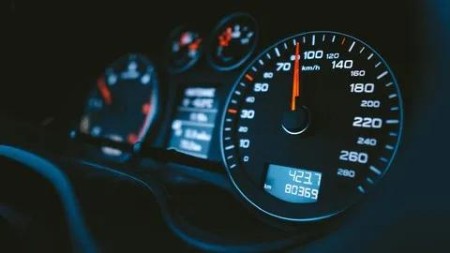
Vehicle Speed Sensors
Published 5/2025
MP4 | Video: h264, 1920×1080 | Audio: AAC, 44.1 KHz
Understand vehicle speed sensors, types, working principles, diagnostics, and real-world automotive applications.
What you’ll learn
Identify and describe the components and signal characteristics of vehicle speed sensing systems used in modern vehicles.
Diagnose and troubleshoot common issues related to vehicle speed sensors using appropriate diagnostic tools and methods.
Interpret sensor data and integrate vehicle speed sensor information into broader vehicle control systems, such as ABS, transmission control, and cruise control
Requirements
This course is designed for beginners, and no prior experience is required in automotive systems or electronics. However, having the following will enhance your learning experience: Basic understanding of high school-level science and math (especially electricity and magnetism). Interest in automotive technology or vehicle systems. Access to a personal computer or tablet for viewing course materials.Whether you’re a student, hobbyist, or aspiring automotive technician, this course will guide you step-by-step through the fundamentals of vehicle speed sensors.
Description
Overview
Section 1: Introduction
Lecture 1 Introduction
Section 2: Importance of vehicle speed sensors
Lecture 2 Importance of vehicle speed sensors
Section 3: Types of vehicle speed sensors
Lecture 3 Types of vehicle speed sensors
Lecture 4 Magnetic speed sensor working principle
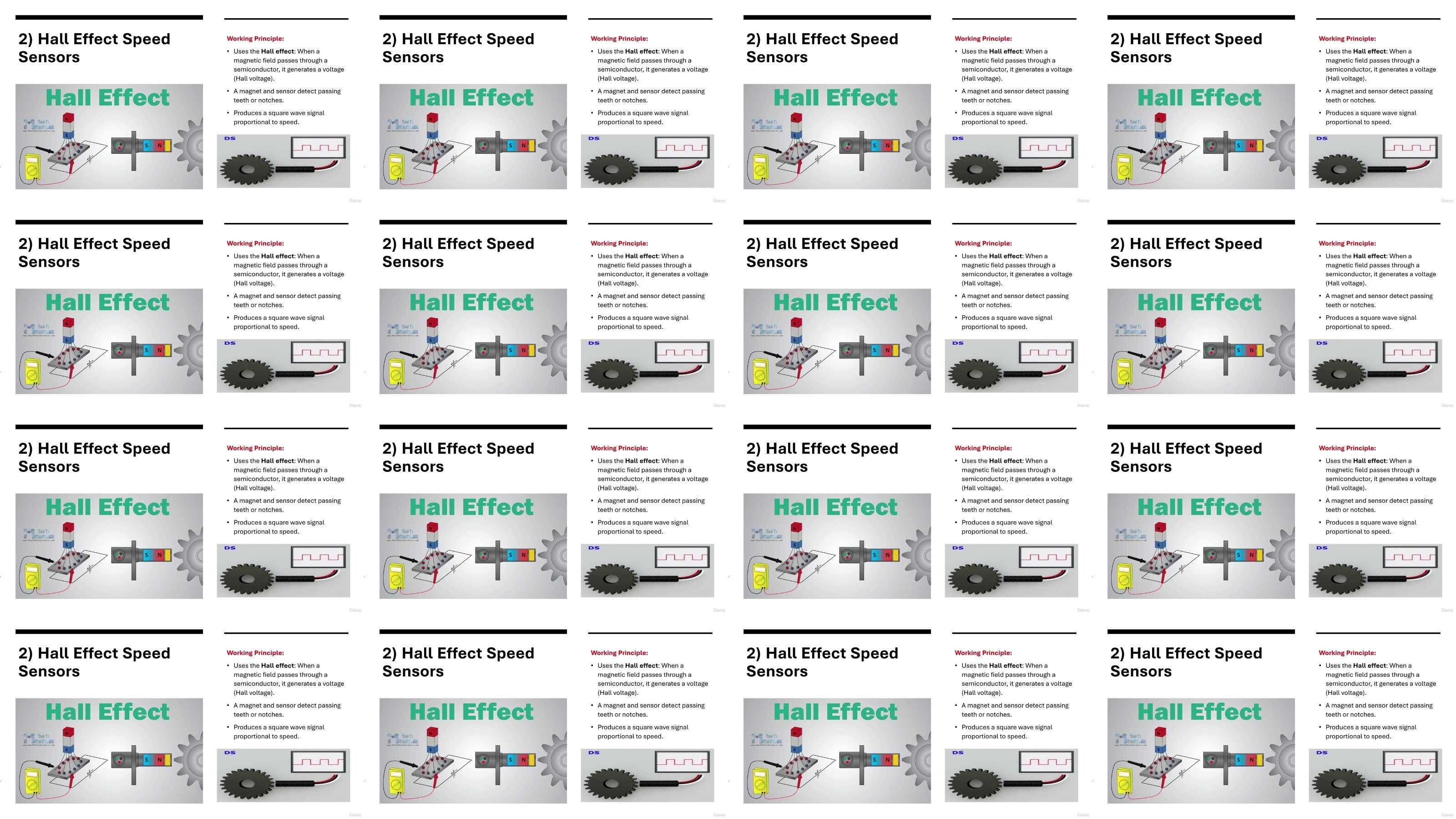
Lecture 5 Hall effect sensor working principle
Lecture 6 Optical speed sensor working principle
Lecture 7 Radar/Lidar sensors
Section 4: Output signals
Lecture 8 Magnetic speed sensor output signal
Lecture 9 Hall effect speed sensor output signal
Lecture 10 Optical speed sensor output signal
Section 5: Pros and cons of each type
Lecture 11 Pros and cons of magnetic speed sensor
Lecture 12 Pros and cons of hall effect speed sensor
Lecture 13 Pros and cons of optical speed sensor
Lecture 14 Pros and cons of radar/lidar sensor
Section 6: Conclusion
Lecture 15 Conclusion
Section 7: Thank you
Lecture 16 Thank you
his course is ideal for: Beginner automotive enthusiasts who want to understand how vehicle speed sensors work and how they impact vehicle performance. Students and learners in automotive or mechanical engineering looking to build foundational knowledge in sensor technology used in modern vehicles. Aspiring automotive technicians and mechanics preparing for entry-level diagnostic or repair roles. DIYers and hobbyists interested in vehicle electronics, repairs, or custom modifications involving speed sensors and vehicle control systems. Anyone curious about automotive technology who wants a clear, beginner-friendly introduction to speed sensor systems without needing prior experience. Whether you’re preparing for a career or just want to expand your knowledge, this course will equip you with practical insights and hands-on understanding of vehicle speed sensors.
DDownload
https://www.keeplinks.org/p27/683a0a0cdd4d2
https://ddownload.com/6tjgmi4xqg7c/yxusj.Vehicle.speed.sensors.rar
RapidGator
https://www.keeplinks.org/p27/683a0a1c0f599
https://rapidgator.net/file/a4f479c1aedd6925dc950c4003bf8d38/yxusj.Vehicle.speed.sensors.rar
NitroFlare
https://nitroflare.com/view/45319E6567FAE4B/yxusj.Vehicle.speed.sensors.rar